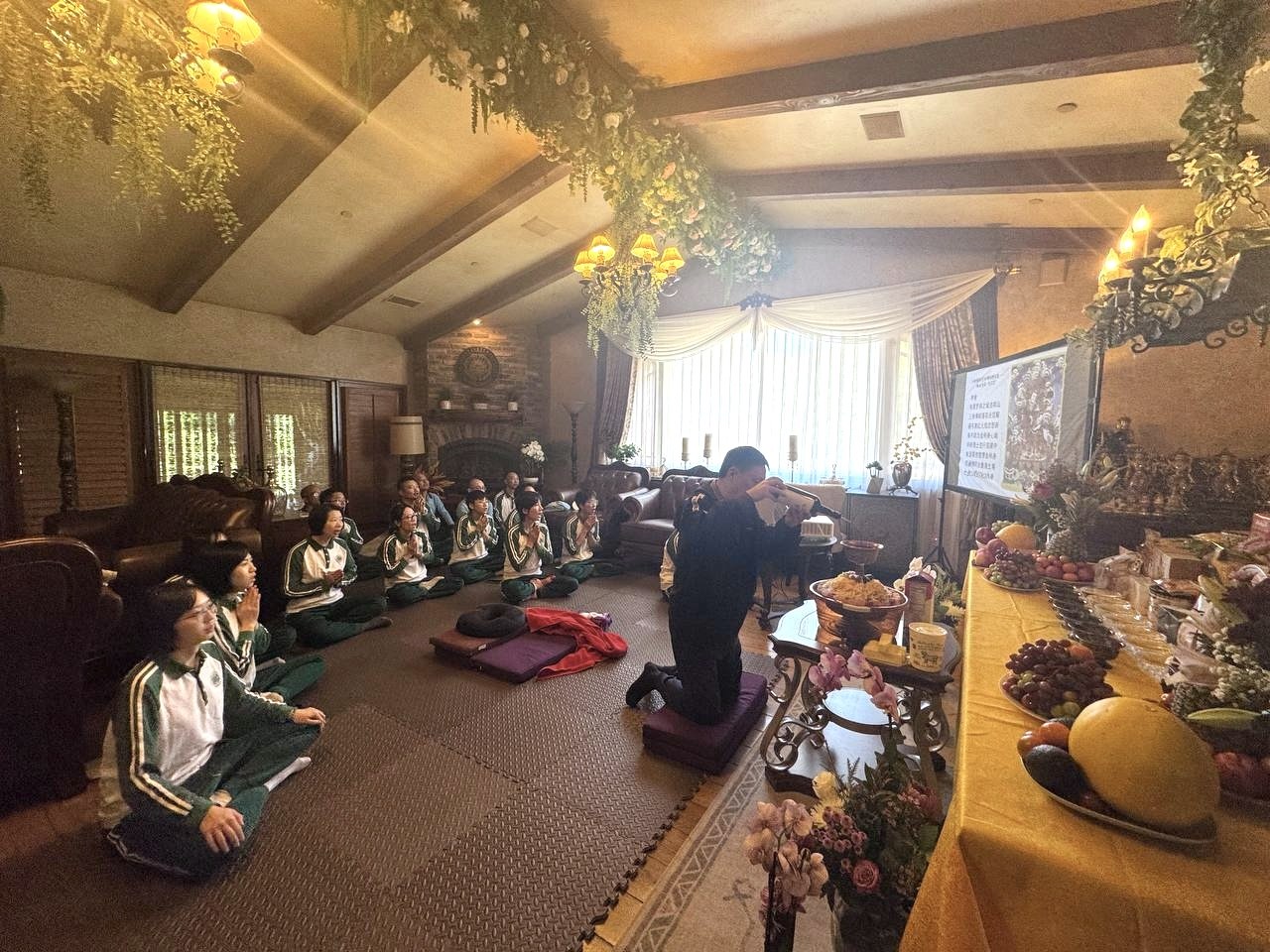


Puja(梵语:पूजा;巴利语:Pūjā)意为“供养”或“敬礼”。
它起源于古印度,象征着对纯净、高尚之事物表达尊敬与感恩的行为。
在佛教中,Puja 是对佛、法、僧以及护法诸尊表达敬意与虔诚的一种方式,体现了修行者内心的感恩与奉献。
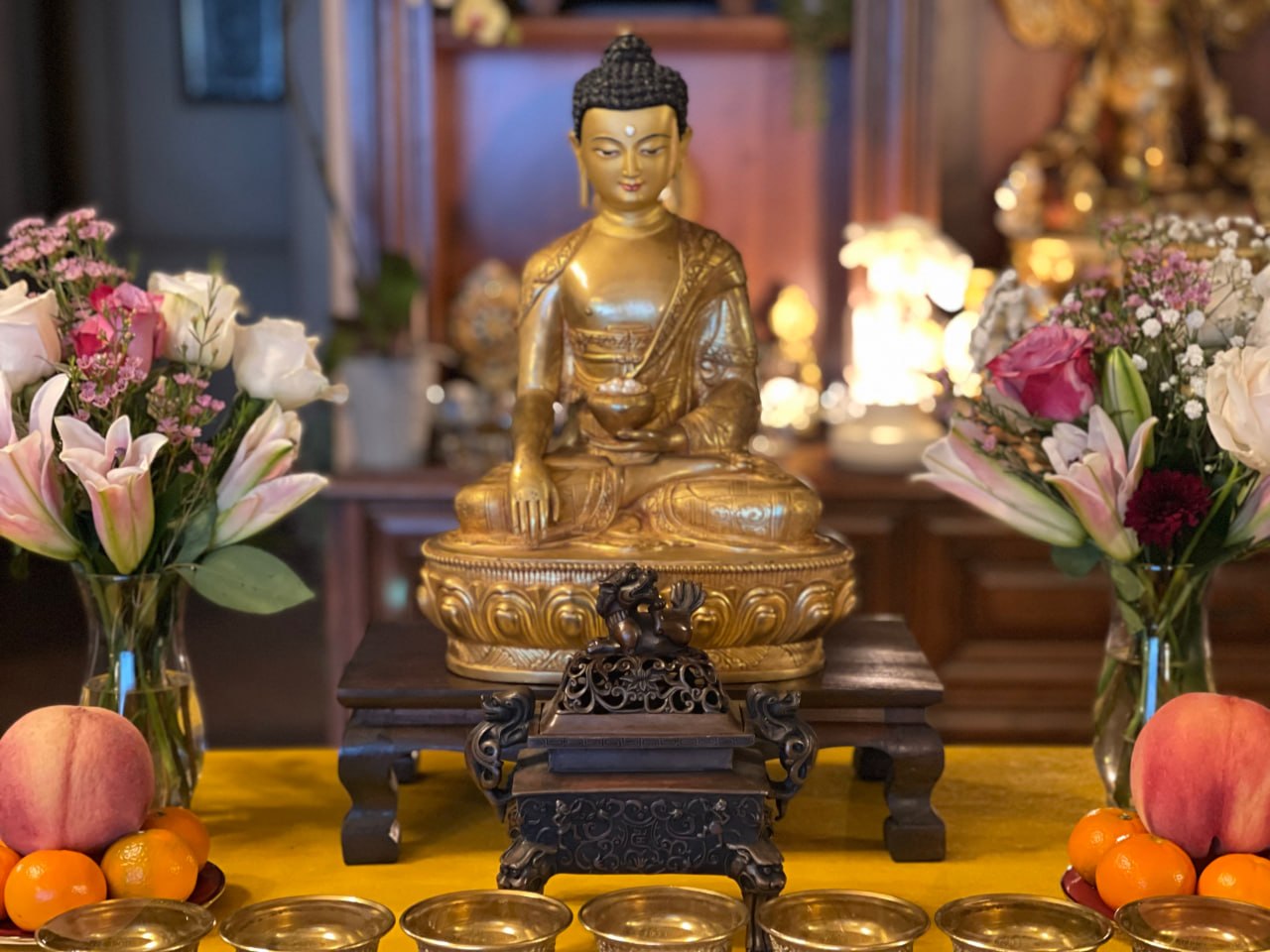
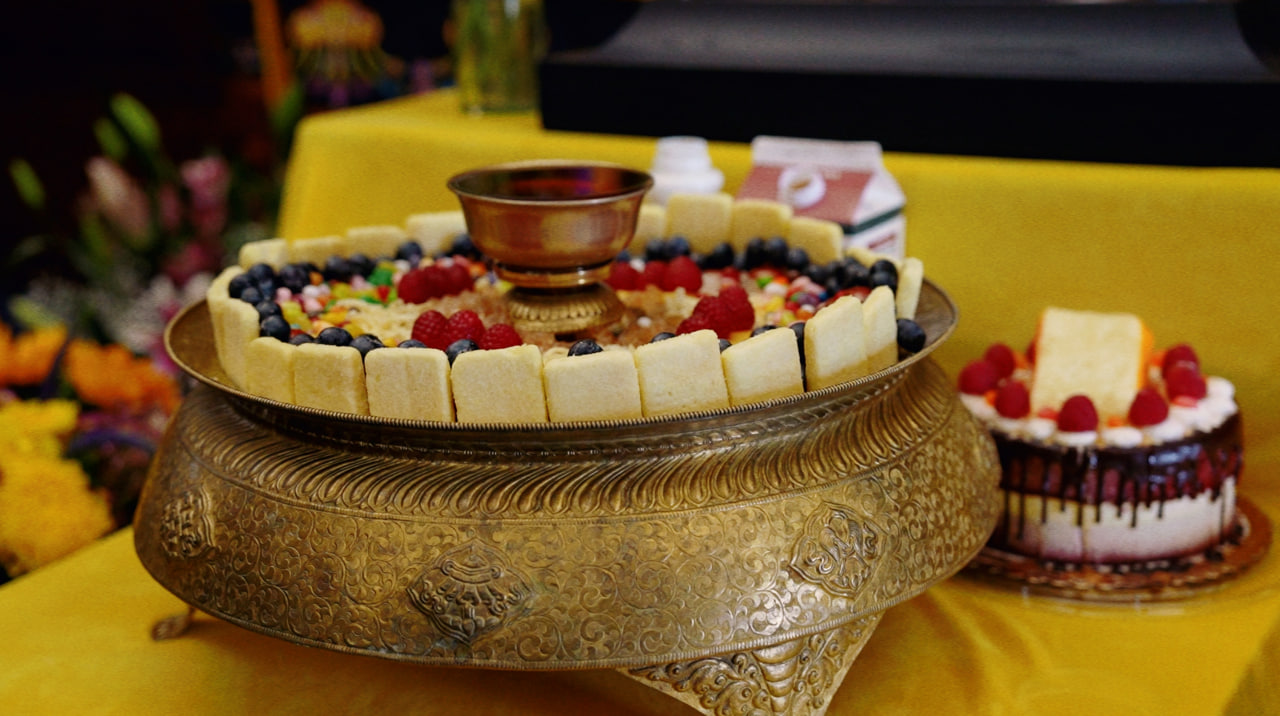
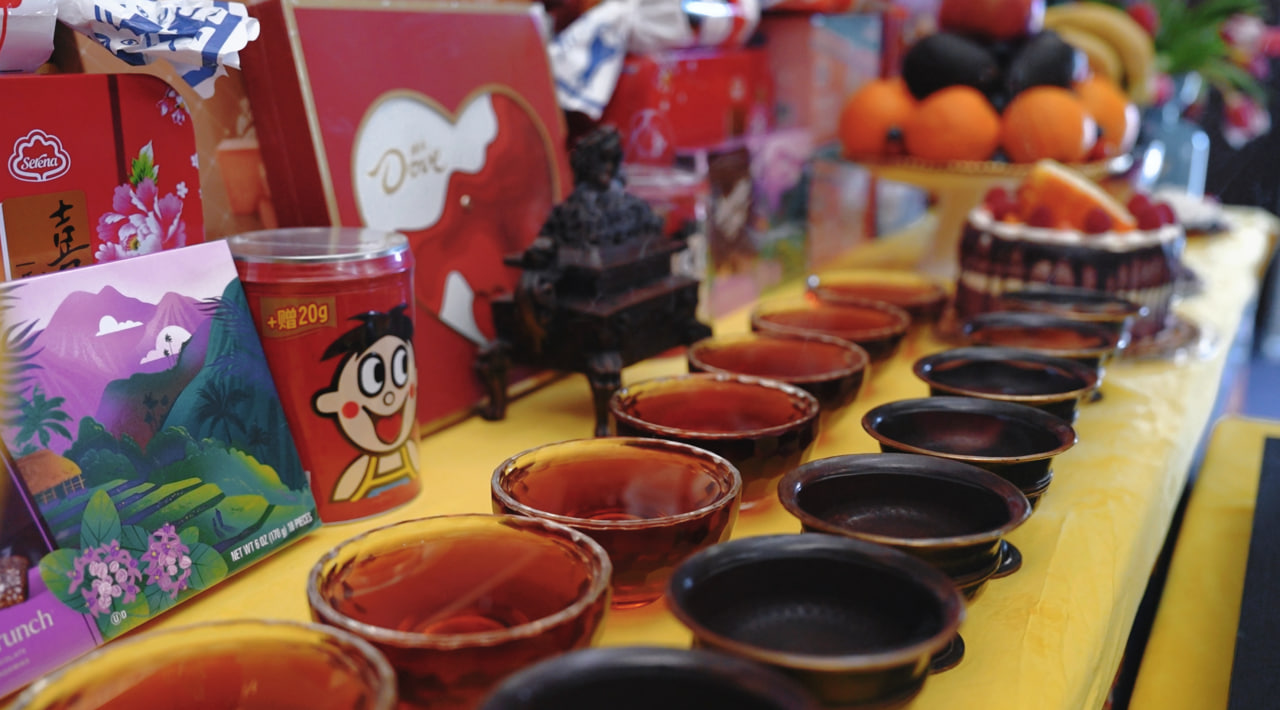
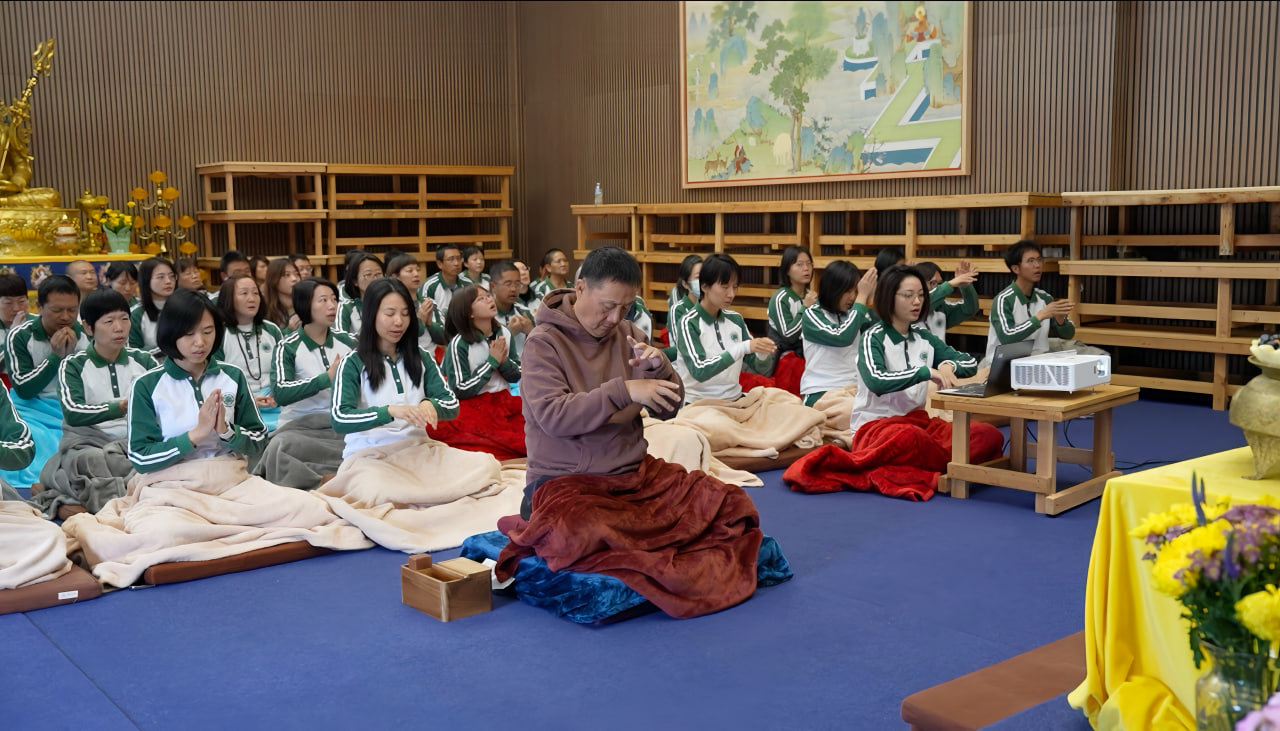
Puja 有许多不同的形式,例如供养鲜花、灯明、香与食物;诵读经文或持诵咒语;静坐禅修;或将所行善业回向一切众生。
外在的供养虽然通过种种形式来表达,但真正的 Puja 发自内心——源于觉醒之心的清净、觉知与慈悲。
Puja (Sanskrit: पूजा; Pāli: Pūjā) means “offering” or “reverence.”
It originated in ancient India and symbolizes an act of expressing respect and gratitude toward what is pure and noble.
In Buddhism, Puja is a gesture of homage and devotion to the Buddha, the Dhamma, the Sangha, and the protective deities, reflecting the practitioner’s inner sense of gratitude and dedication.
There are many forms of Puja: offering flowers, lights, incense, and food; chanting scriptures or mantras; sitting in meditation; or dedicating wholesome deeds for the benefit of all being.
While outer offerings are expressions of form, the true Puja arises within — from the purity, awareness, and compassion of the awakened heart.